
PinnedWell is reader-supported. When you buy through links on our site, we may earn an affiliate commission at no extra cost to you. This helps us keep creating honest, research-backed content.
I'm going to say something that might get me kicked out of the wellness community: most gut health advice online is oversimplified, overhyped, or trying to sell you something. "Heal your gut!" screams every supplement ad, as if your gut is a broken pipe that just needs the right $60/month powder poured into it.
My gut health journey started after a round of antibiotics left me with three months of digestive issues that my doctor politely called "disrupted flora." I tried everything the internet recommended — bone broth, apple cider vinegar shots, a $70 probiotic with 50 billion CFU and a label that looked like a pharmaceutical ad. Some things helped. Most didn't. And separating signal from noise took way more effort than it should have.
Here's what I learned after six months of research, self-experimentation, and conversations with a gastroenterologist who doesn't sell supplements on the side.
What Your Gut Microbiome Actually Is
Your gut contains roughly 38 trillion microorganisms — bacteria, fungi, and viruses that collectively weigh about 3-5 pounds. This community of microbes (your microbiome) plays a documented role in:
- Digestion and nutrient absorption — they break down fibers your body can't process alone
- Immune function — roughly 70% of your immune system is in your gut
- Mood and mental health — the gut produces about 95% of your body's serotonin
- Inflammation regulation — an imbalanced microbiome is linked to systemic inflammation
This isn't woo-woo. These are well-established findings published in journals like Nature, Cell, and The Lancet. The microbiome is real and important. Where things get sketchy is in the claims about what products can do about it.
What Actually Works
1. Dietary Fiber (The Boring Answer That's Also the Right One)
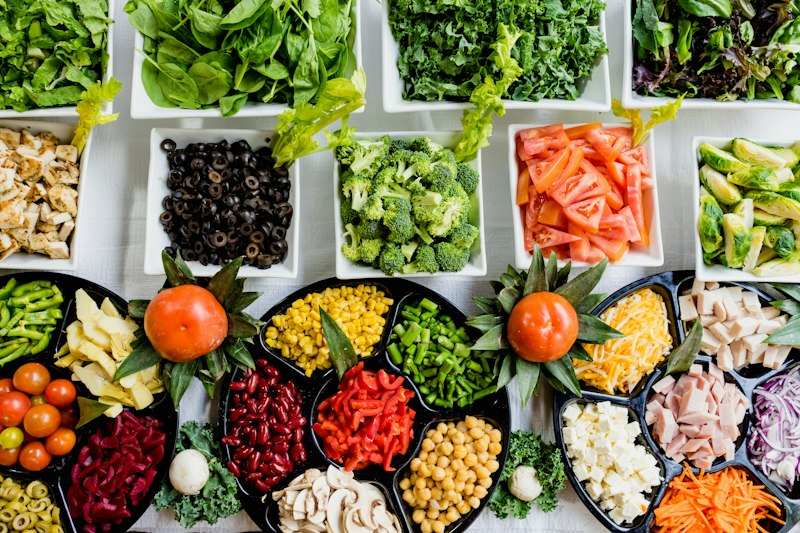
The single most impactful thing you can do for your gut is eat more diverse plant fibers. Your beneficial gut bacteria literally eat fiber. When they ferment fiber, they produce short-chain fatty acids (SCFAs) like butyrate, which feed the cells lining your colon and reduce inflammation.
The target is 25-35 grams of fiber per day from varied sources. Most Americans get about 15 grams. You don't need a fiber supplement — you need to eat more vegetables, fruits, legumes, nuts, seeds, and whole grains. Variety matters more than quantity. Different fibers feed different bacterial species.
My easy fiber additions:
- Chia seeds in morning smoothies (10g fiber per 2 tablespoons)
- A handful of almonds as an afternoon snack (3.5g)
- Black beans added to lunch (15g per cup)
- An apple with the skin on (4.5g)
2. Fermented Foods (Nature's Probiotic)
A Stanford study published in Cell found that eating 6+ servings of fermented foods per week significantly increased microbiome diversity and decreased inflammatory markers — more effectively than a high-fiber diet alone. The key word is "diversity" of fermented foods, not just one type.
Fermented foods that have live cultures:
- Yogurt (check the label for "live active cultures")
- Kefir (more diverse bacterial strains than yogurt)
- Sauerkraut (refrigerated, not the shelf-stable kind)
- Kimchi
- Kombucha (go easy — sugar content varies widely)
- Miso
I aim for one serving of some fermented food daily. Most days it's a cup of kefir in my morning smoothie or a forkful of sauerkraut with lunch. It doesn't have to be elaborate.
3. Specific Probiotic Strains (For Specific Issues)
Here's where the probiotic industry gets misleading. They want you to think that a generic "50 billion CFU multi-strain" capsule will fix everything from bloating to anxiety. The reality: probiotics are strain-specific. Different strains do different things, and the evidence varies wildly.
Strains with decent research support:
- Lactobacillus rhamnosus GG — antibiotic-associated diarrhea, general gut recovery
- Saccharomyces boulardii — traveler's diarrhea, C. diff prevention
- Bifidobacterium infantis 35624 — IBS symptoms (this is the strain in Align)
- Lactobacillus acidophilus NCFM — lactose intolerance, general digestive comfort
The probiotic I actually take and would recommend for post-antibiotic recovery or general maintenance:
What We Like
Room to Improve
What I don't recommend: Random multi-strain probiotics with huge CFU counts and no strain-level identification. "Proprietary blend of 50 billion CFU" tells you nothing useful. If they won't tell you exactly which strains are in the capsule, move on.
4. Prebiotic Fiber (Food for Your Good Bacteria)
Prebiotics are specific types of fiber that preferentially feed beneficial bacteria. Think of probiotics as planting seeds and prebiotics as watering them.
Good prebiotic sources from food:
- Garlic, onions, and leeks (fructo-oligosaccharides)
- Bananas (especially slightly green ones)
- Oats
- Asparagus
- Jerusalem artichoke
If you're already eating a diverse, high-fiber diet, you're probably getting enough prebiotics without a supplement. If you want a targeted supplement, partially hydrolyzed guar gum (PHGG) has good research behind it and is gentler on digestion than inulin.
What's Overhyped
Bone broth — It's fine. It's warm and comforting. But the gut-healing claims are based on the glutamine and collagen content, and the amounts in a typical serving are too small to have meaningful clinical effects. If you like it, drink it. Don't expect miracles.
Apple cider vinegar — The evidence for ACV improving gut health is extremely thin. Most studies showing benefits used isolated acetic acid in amounts higher than you'd get from a tablespoon of vinegar. It can also damage tooth enamel if consumed undiluted.
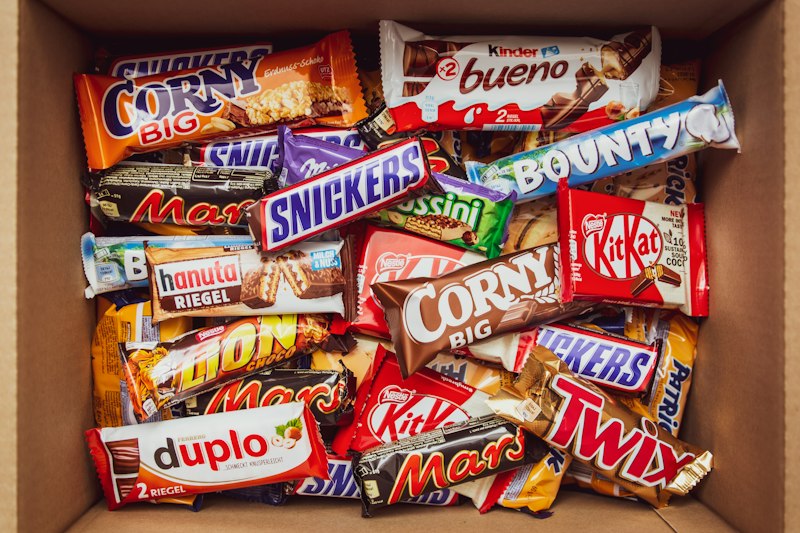
Cleanses and detoxes — Your liver and kidneys are your detox organs. They work fine without a $40 juice cleanse. "Gut reset" programs are marketing, not medicine.
Collagen supplements for gut health — Collagen can benefit skin and joints, but the "leaky gut healing" claims are largely unsupported. The gut lining does use amino acids from collagen for repair, but you can get those same amino acids from any protein source.
The Simple Daily Gut Protocol
If I had to distill everything into a dead-simple daily plan:
- Morning: Kefir or yogurt (fermented food serving #1)
- Lunch: Include a vegetable and a legume (fiber diversity)
- Dinner: Sauerkraut or kimchi as a side (fermented food serving #2)
- Daily: Eat at least 5 different plant foods (variety feeds diversity)
- If needed: One strain-specific probiotic supplement
That's it. No powders, no protocols, no "gut healing" programs. Just consistent, evidence-backed basics.
Frequently Asked Questions
How do I know if my gut health is actually bad? Persistent bloating, irregular bowel habits, food sensitivities that have worsened, frequent illness, and skin issues (eczema, acne) can all point to gut imbalance. But these symptoms have many causes. See a doctor before diagnosing yourself via TikTok.
Can I test my microbiome at home? Companies like Viome and Thryve offer at-home microbiome testing. The tests are real, but the actionable recommendations are limited. We don't yet know enough to say "you need more of this specific bacteria." It's interesting data, not a treatment plan.
How long does it take to improve gut health? Microbiome changes from dietary shifts can be detected within 24-48 hours. Symptom improvement typically takes 2-6 weeks of consistent changes. Full recovery from antibiotic disruption can take 3-6 months.
Should I take probiotics with antibiotics? Ask your doctor, but generally yes — research supports taking Saccharomyces boulardii or Lactobacillus rhamnosus GG during antibiotic courses to reduce side effects. Take the probiotic at least 2 hours apart from the antibiotic dose.
Your gut doesn't need a $200/month supplement subscription. It needs fiber, fermented foods, and for you to stop messing with it. The best gut health strategy is boring, cheap, and effective — which is exactly why nobody is marketing it on Instagram.
Related Articles

L-Theanine for Stress and Sleep: The One Supplement I Take Every Single Day
L-theanine is the most underrated supplement for women managing anxiety, poor sleep, and stress-driven fatigue. Here's what the research shows and what dose actually works.

Iron Supplements for Women: Why Most Forms Don't Work (And What to Take Instead)
Iron deficiency is the most common nutrient deficiency in women -- but most iron supplements cause constipation and poor absorption. Here's the form that actually works.