
PinnedWell is reader-supported. When you buy through links on our site, we may earn an affiliate commission at no extra cost to you. This helps us keep creating honest, research-backed content.
I need to come clean about something. A few years ago, I bought twelve houseplants in one weekend because I read an article that said indoor plants "purify your air naturally." I arranged them beautifully throughout the house, posted about it on Instagram, and felt very smug about my chemical-free air purification system.
Then I actually looked into the science. And — ugh.
The truth is more complicated than "plants clean your air" and more nuanced than "plants do nothing." I've spent the last two years figuring out what actually improves indoor air quality, and the answer involves both living things and machines, but probably not in the way you've been told.
Let me save you the research rabbit hole.
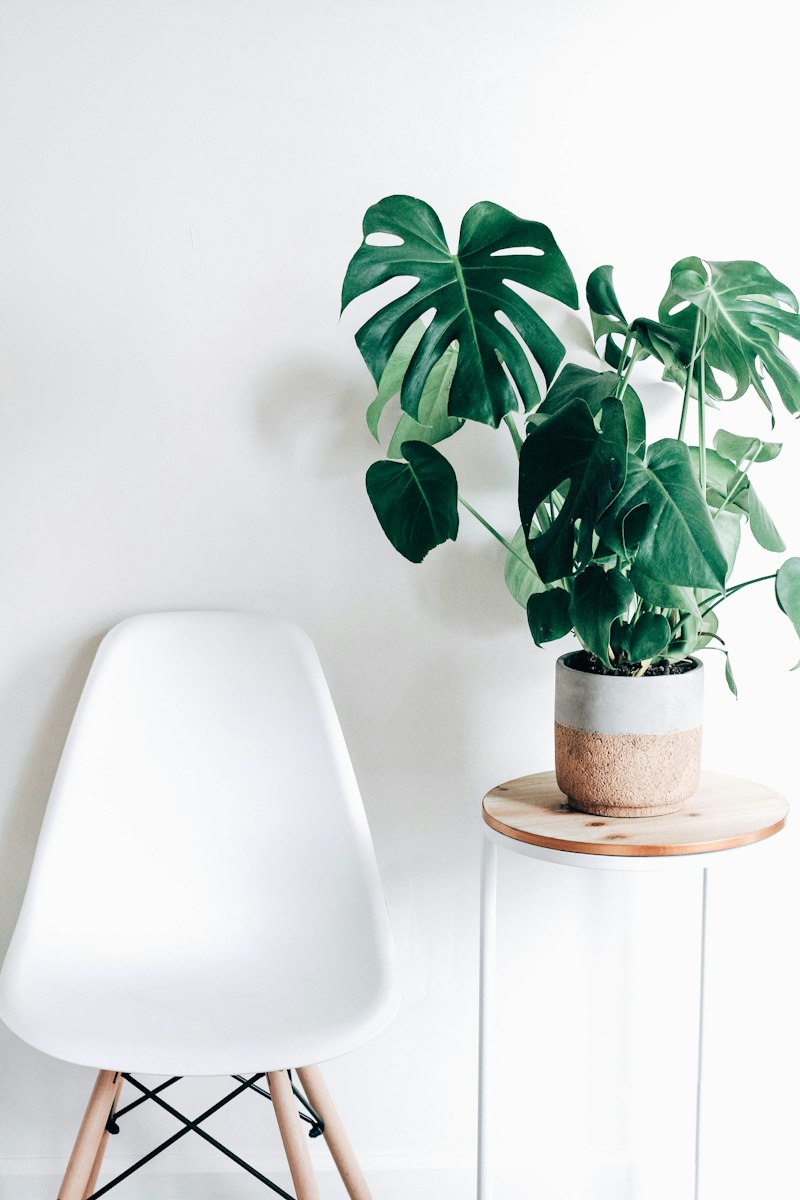
The NASA Study Everyone Misquotes
You've probably seen it referenced: "NASA proved that houseplants purify indoor air!" It's in every plant shop, every lifestyle blog, every wellness influencer's caption. And it's... not wrong, exactly. But it's wildly misleading.
In 1989, NASA did study plants' ability to remove volatile organic compounds (VOCs) from the air. The plants did remove some toxins. But here's what gets left out: the study was conducted in tiny, sealed chambers — nothing like your living room. When researchers at Drexel University revisited the data in 2019, they found that you'd need roughly 10 to 1,000 plants per square meter to match what a basic mechanical air purifier does.
So unless you want your house to look like a greenhouse crossed with a jungle (and unless you want to water 700 plants every week alongside keeping three kids alive), plants alone are not going to meaningfully clean your air.
I'm not saying get rid of your plants. I still have mine, and I love them. But I stopped pretending they're an air filtration system.
What Plants Actually Do (And It's Still Worth It)
Here's where I'll defend my plant collection. While they're not powerful air scrubbers, houseplants do provide real benefits:
Humidity regulation. Plants release moisture through transpiration, which can help in dry-air homes (especially in winter with the heater running). My fiddle leaf fig alone makes a noticeable difference in the living room humidity.
Mental health boost. Multiple studies show that indoor plants reduce stress, improve mood, and increase focus. After spending all day staring at screens, having something alive and green in my peripheral vision genuinely helps. This is not woo — it's documented.
They make your home feel alive. This is subjective, but it matters. A home with plants feels warmer, more welcoming, more intentional. My kids have learned to care for them (my nine-year-old has "her" pothos and takes it very seriously), and there's value in that.
Some VOC absorption. Plants do absorb some toxins — just not at the rate needed to replace mechanical filtration. Think of it as a gentle supplement, not a solution.
Plants I Actually Recommend
If you want the most resilient, hardest-to-kill options that offer some air quality benefit:
- Pothos — Grows anywhere, forgives neglect, trails beautifully off shelves
- Snake plant — Thrives on being ignored. Perfect for bedrooms since it releases oxygen at night.
- Spider plant — One of the best performers in the NASA study. Produces babies you can propagate endlessly.
- Peace lily — Handles low light, blooms occasionally, and did well in VOC studies
- Rubber plant — Large leaves, dramatic presence, decent at absorbing formaldehyde
I killed a calathea and a maidenhair fern before accepting that I am a "low maintenance plants only" person. No shame in knowing your limits.
When You Need an Actual Air Purifier
Plants are nice. But if you're dealing with any of the following, you need a real air purifier:
- Allergies or asthma (dust, pet dander, pollen)
- Wildfire smoke season (increasingly a thing, unfortunately)
- A home near a busy road
- Pets that shed (our golden retriever produces enough fur to knit a second dog)
- New furniture, paint, or flooring that off-gases VOCs
- Mold concerns
A HEPA air purifier physically traps particles as small as 0.3 microns with 99.97% efficiency. That's pollen, dust mites, pet dander, mold spores, and many bacteria. Plants simply cannot compete with this.
My Top Pick: Levoit Core 300S
I have this one in our bedroom, and it's earned a permanent spot. It's compact, it's quiet, and it works. I noticed a difference in my morning congestion within the first week of running it.
What We Like
Room to Improve
Also Excellent: Coway Airmega AP-1512HH
For larger rooms or main living areas, the Coway Airmega is a beast. It covers up to 361 square feet, has a built-in air quality indicator that changes color (my kids are obsessed with watching it go from orange to blue), and the filter lasts about a year before replacement.
I keep the Coway in our living room/kitchen area and the Levoit in the bedroom. Between the two, the whole main floor has clean air coverage.

The Combination Approach (What I Actually Do)
Here's my real setup, because I don't think it has to be plants or purifiers. It's both, doing different jobs:
Air purifiers handle the heavy lifting — filtering allergens, dust, pet dander, and particulates. They run 24/7 on auto mode and I basically forget about them except when it's time to change the filter.
Plants handle the vibes — humidity, mental health, aesthetics, and a tiny bit of VOC absorption. They make the house feel like a home instead of a hospital.
Ventilation is the third piece people forget. Opening windows for even 15 minutes a day (weather permitting) does more for air freshness than most people realize. Stale indoor air is a real thing, and mechanical and biological filters can only do so much if you never let fresh air in.
Source control is the fourth piece. The best way to improve air quality is to reduce pollutants at the source. I switched to unscented cleaning products, stopped burning paraffin candles (beeswax or soy only now), and we take shoes off at the door. These changes are free and surprisingly effective.
Common Indoor Air Quality Mistakes
Since I've made most of these, let me save you the trouble:
- Running an air purifier with windows wide open. Pick one at a time. The purifier can't keep up if you're constantly introducing outdoor air.
- Relying on ionizers or ozone generators. Some air "purifiers" create ozone, which is itself a lung irritant. Stick with true HEPA filters. If a product doesn't say HEPA, be skeptical.
- Ignoring humidity. Both too-dry and too-humid air cause problems. The sweet spot is 30-50% relative humidity. A $10 hygrometer can tell you where you stand.
- Never changing filters. A clogged filter doesn't just stop working — it can push trapped particles back into your air. Set a calendar reminder.
- Overwatering plants. This creates mold in the soil, which then releases spores into your air. You're literally making the problem worse. Ask me how I know.
Frequently Asked Questions
How many plants do I need to actually improve air quality? For meaningful VOC reduction, the research says far more than is practical. For humidity, mood, and aesthetic benefits, go with whatever number makes you happy and that you can realistically maintain. I have about 15 throughout the house and it feels right.
Which is more important — a purifier or plants? If you have to choose one for health reasons, the purifier wins hands down. It's not close. Plants are wonderful, but they're a lifestyle addition, not a health device.
Do air purifiers use a lot of electricity? The Levoit Core 300S uses about 26 watts on the highest setting — roughly what a lightbulb uses. Running it 24/7 costs about $2-3 per month. Negligible.
Are expensive purifiers much better than cheap ones? The filter quality (true HEPA vs. "HEPA-type") matters more than the price. A $150 purifier with a true HEPA filter outperforms a $300 purifier with a lesser filter. Always check the specs.
Can I put a purifier and plants in the same room? Absolutely. They're not working against each other. The purifier won't harm your plants, and the plants won't reduce the purifier's effectiveness.
My allergist recommended an air purifier. Which one? For bedrooms, the Levoit Core 300S. For living rooms, the Coway Airmega. Both use true HEPA filters, which is what allergists specifically recommend.
Look, I wish I could tell you that a pretty collection of pothos and snake plants would solve all your air quality problems. It's a nicer story. But the honest answer is that good indoor air requires a combination of real filtration, reasonable plant life, proper ventilation, and source control. The good news? None of it is complicated, and the results — breathing easier, sleeping better, fewer allergy symptoms — are absolutely worth the effort.
Related Articles

The Best Essential Oil Diffusers for Every Room (And the Blends My Family Loves)
After testing 8 diffusers over two years, here are the ones that earned permanent spots in our home — plus the essential oil blends we use daily.

The Best Air Purifiers for Kids' Rooms (A Mom's Honest Guide to Cleaner Air)
Between allergies, wildfire smoke season, and whatever that smell is coming from under the bed, here's why I put air purifiers in my kids' rooms and which ones are actually worth buying.