
PinnedWell is reader-supported. When you buy through links on our site, we may earn an affiliate commission at no extra cost to you. This helps us keep creating honest, research-backed content.
Let me tell you about the moment I became a sensory play convert. It was a rainy Tuesday. My toddler had been awake for two hours and had already tried to eat a crayon, thrown a shoe at the dog, and told me my cooking was "yucky" (it was toast). I was out of ideas and screen time guilt was creeping in. In desperation, I filled a plastic bin with dry rice and gave her some measuring cups.
She played for 45 minutes. Forty-five. Uninterrupted. Minutes. I sat on the kitchen floor drinking coffee and staring at her in disbelief. That bin of rice changed my entire approach to toddler entertainment.
Here are 20 sensory play ideas that actually work, plus the products that make the whole experience less chaotic.
The Sensory Bin: Your New Best Friend
A good sensory bin is the foundation of everything. The IKEA TROFAST-style bins work great, but if you want something purpose-built, the Tuff Tray Sensory Table gives your toddler a dedicated play space that contains the mess (mostly). I keep ours on an old shower curtain on the kitchen floor because I am a realist.
10 base materials you already have: dry rice, dry pasta, oatmeal, shredded paper, water with food coloring, ice cubes, cornstarch and water (oobleck), cooked spaghetti, flour, and dried beans.
What We Like
Room to Improve
Kinetic Sand: The Mess-Contained Option
Kinetic Sand is the sensory material that moms actually love because it sticks to itself and not to your carpet. The Kinetic Sand Folding Sandbox comes with its own containment system. My daughter makes "birthday cakes" with it for hours. The texture is genuinely satisfying — I have caught my husband playing with it after the kids went to bed.
Water Beads: Beautiful Chaos
I will be honest — water beads are simultaneously the most mesmerizing and most stressful sensory material. Kids are absolutely hypnotized by them. The Jangostor Water Beads Pack comes in every color and expands into squishy, translucent orbs that toddlers will squish, scoop, and sort for ages. Use them in a contained bin, outside, or in the bathtub. Do NOT use them on carpet. I learned this the hard way and I am still finding rogue beads in June.

Play Dough Tools That Level Up the Dough
You do not need fancy play dough — homemade works great (flour, salt, water, cream of tartar, food coloring). But good tools make all the difference. The Kiddy Dough 43-Piece Play Dough Tool Set has rollers, cutters, extruders, and molds that turn basic dough into an actual activity station. My kids will sit at the table with this set for 40 minutes, which in toddler time is basically an entire workday.
10 More Ideas Using What You Have
- Frozen toys in ice blocks — freeze small figurines in containers of water and let kids chip them out
- Shaving cream on a tray — add food coloring and let them finger paint
- Dry spaghetti and cheerios — threading cheerios onto spaghetti stuck in play dough
- Pom poms and tongs — sorting by color builds fine motor skills
- Contact paper sticky wall — stick tissue paper, feathers, leaves to the sticky side
- Cloud dough — 8 cups flour plus 1 cup baby oil equals magic
- Sponge bath for toys — warm soapy water and toy animals
- Texture walk — tape different materials (bubble wrap, sandpaper, foil) to the floor
- Scoop and pour station — different sized cups and containers in a water bin
- Nature soup — collect leaves, flowers, sticks outside and make soup in a bucket
Mess-Free Options for Desperate Days
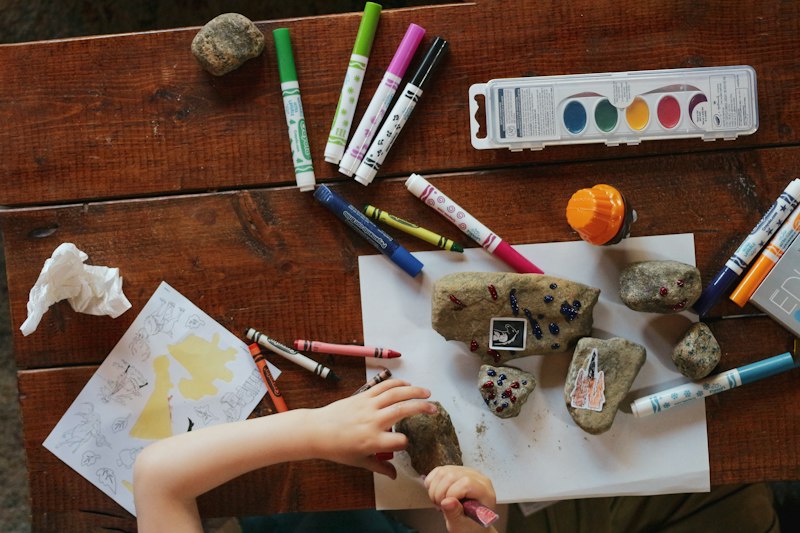
When you cannot handle cleanup, the Crayola Color Wonder Mess-Free Coloring Kit is a lifesaver. The markers only show up on the special paper, so your walls, furniture, and sanity remain intact. It is not technically sensory play but it scratches the same itch of independent creative time.

Frequently Asked Questions
At what age can toddlers start sensory play? You can start simple sensory play (water play, textured fabrics, edible bases like cooked pasta) as early as 6 months with close supervision. By 18 months, most toddlers can handle rice bins, play dough, and kinetic sand. Save water beads and small items until they reliably stop putting everything in their mouth.
How do I manage the mess? Put an old shower curtain or plastic tablecloth under everything. Use bins with high sides. Do messy activities outside when possible. And accept that some mess is the price of 45 minutes of independent play. It is worth it. The vacuum will survive.
Is sensory play actually educational or just fun? Both. Sensory play builds neural connections for fine motor skills, language development, problem solving, and emotional regulation. When your toddler pours rice from one cup to another, they are learning about volume, gravity, and cause-and-effect. It just looks like they are making a mess.
Sensory play does not require a Pinterest-perfect setup or expensive materials. A plastic bin, some dry rice, and a few scoops from your kitchen drawer will keep your toddler engaged longer than any toy with batteries. Start simple, embrace the mess, and enjoy the quiet. You have earned it.
Related Articles

Laundry Room Makeover on a Budget: From Depressing Dungeon to a Room I Don't Hate
You don't need a full renovation to transform your laundry room. These budget-friendly upgrades took my sad, cluttered laundry corner from eyesore to a space I actually enjoy being in — for under $200 total.

How to Create an Aesthetic Home Office in Any Corner of Your House (Mom Edition)
You don't need a spare room to have a beautiful home office. Here's how to create an aesthetic, functional workspace in any corner of your house — even if that corner is also the dining room and the homework station.